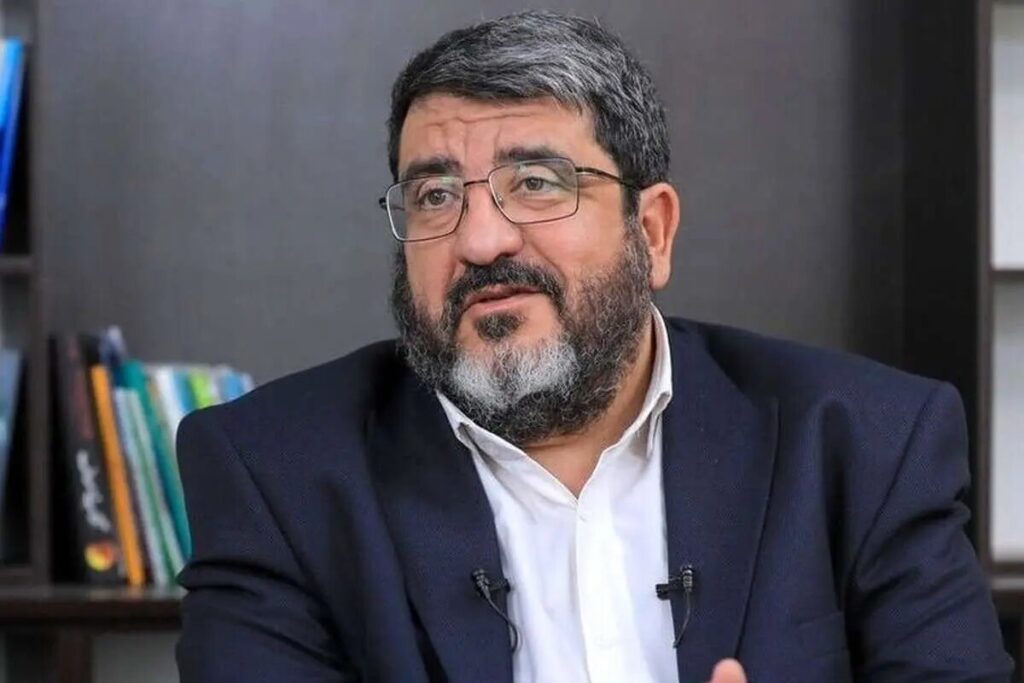
Opening remarks by the conferenece chair:
Foad Izadi is Associate Professor of American Studies at the Faculty of World Studies, University of Tehran. His research examines U.S. foreign policy, public diplomacy, and the media infrastructures through which imperial powers construct narratives about Iran and the wider Global South. His key work, U.S. Public Diplomacy toward Iran, maps the network of institutions, actors and policy-communities behind U.S. efforts to influence Iranian public opinion and regime change.
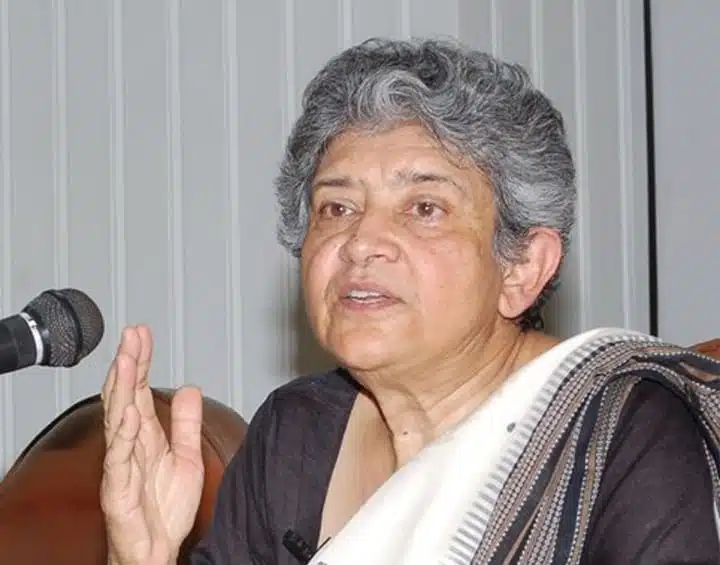
Utsa Patnaik, Emeritus Professor of Political Economy at the Centre for Economic Studies and Planning, Jawaharlal Nehru University, is a leading scholar on agrarian political economy, food security, and the colonial exploitation. Her work on peasant economies and the history of imperial extraction has been foundational for contemporary critiques of global capitalism and for rethinking development from the standpoint of the Global South. She is co-author, with Prabhat Patnaik, of A Theory of Imperialism, which is a foundational theoretical analysis of contemporary patterns of capitalist accumulation and imperialism.
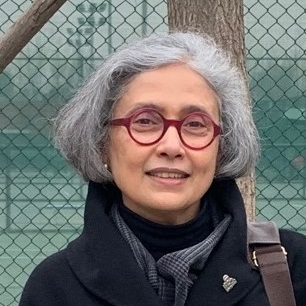
Radhika Desai, Professor of Political Studies and co-director of the Geopolitical Economy Research Group at the University of Manitoba, is known for her analyses of geopolitics, global monetary hierarchies, and multipolarity, including Geopolitical Economy: After US Hegemony, Globalization and Empire, a major intervention in debates on global order. She is a leading figure in the International Manifesto Group, which advances analyses of multipolarity and systemic transformation, and her recent book Capitalism, Coronavirus and War: A Geopolitical Economy offers a profound contribution to understanding the crises of contemporary capitalism.
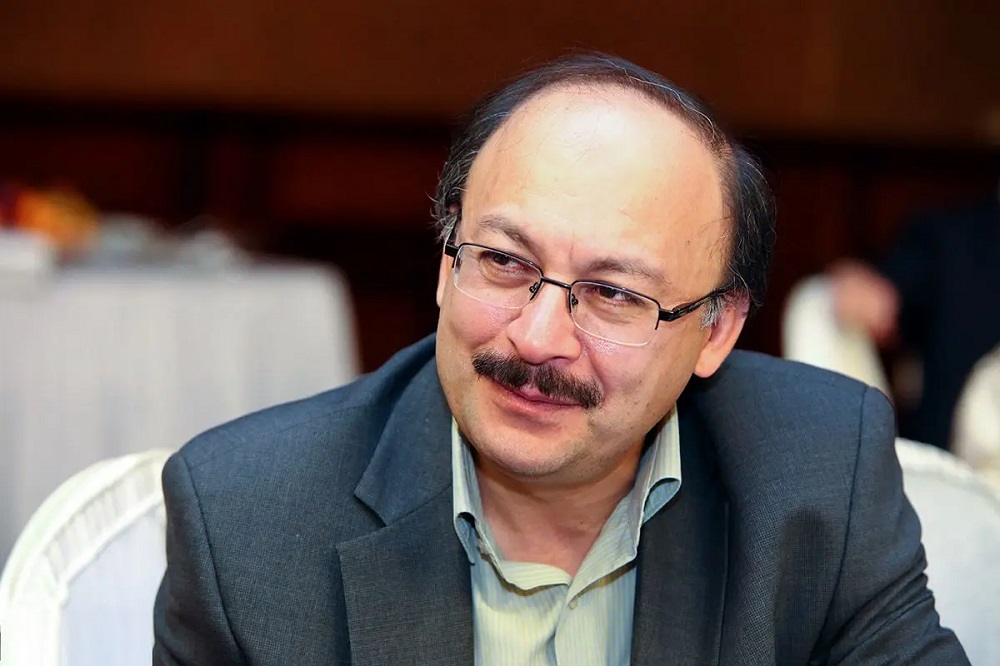
Bijan Abdolkarimi, Associate Professor of Philosophy at Islamic Azad University of Tehran, is a prominent Iranian philosopher whose work explores modernity, ontology, and the intellectual foundations of contemporary Iranian thought. Among his major works are Thinking as Political Action and The Sunset of the Iranian Lifeworld, which open space for Southern epistemologies that unsettle Eurocentric categories of modernity and critique.
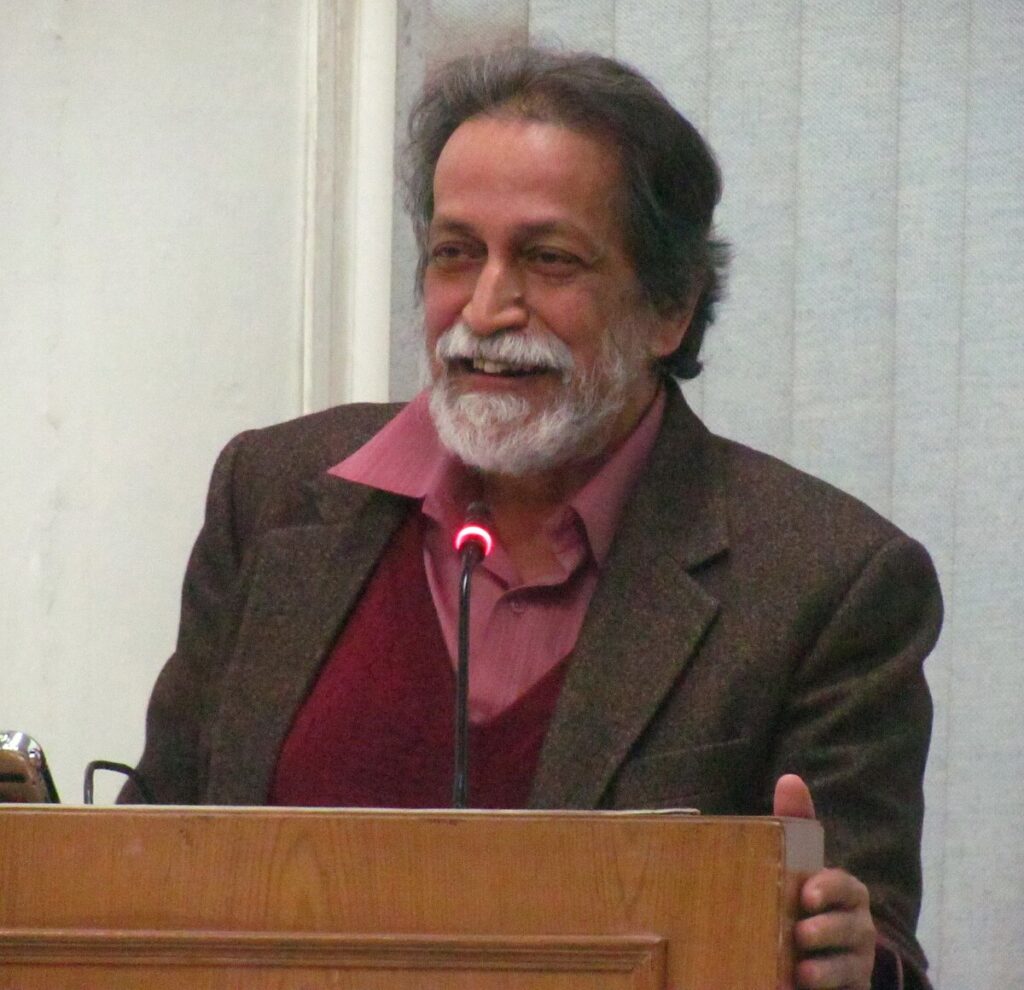
Prabhat Patnaik, Emeritus Professor at the Centre for Economic Studies and Planning, Jawaharlal Nehru University, is a leading political economist whose scholarship on money, inflation, and imperialism, especially The Value of Money, has influenced generations of researchers. His work, with Utsa Patnaik, Capital and Imperialism: Theory, History, and the Present offers a comprehensive theorization of how imperialism structures value transfers, (under)development, and class formation across the Global South.
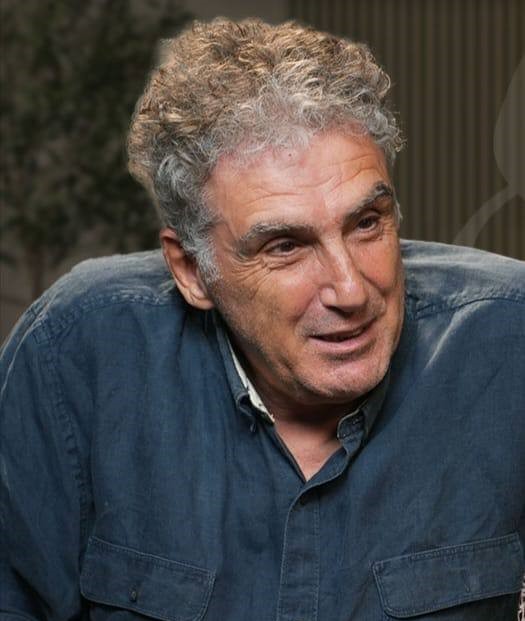
Ali Kadri is a political economist and Visiting Professor at Sun Yat-sen University in the People’s Republic of China. His work traces how imperialism, permanent war, and “de-development” and “accumulation by waste” have dismantled post-independence gains in Arab-Iranian region. Among his major books is Arab Development Denied: Dynamics of Accumulation by Wars of Encroachment, which illuminates how imperialist wars and encroachment function as a structural mechanism of “de-development” in the Arab world, dismantling previous self-reliant development.
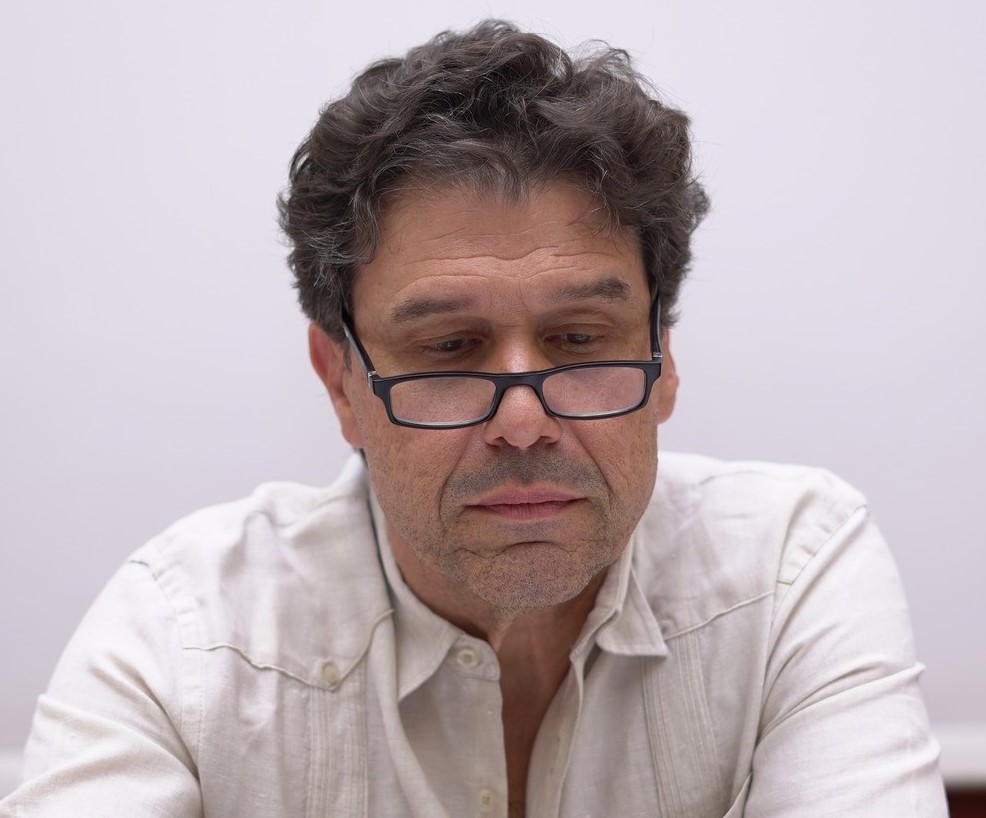
Paris Yeros is Professor of International Economics at the Federal University of ABC in São Paulo, where he teaches in Economic Sciences, World Political Economy, and Human and Social Sciences. An editor of Agrarian South: Journal of Political Economy and a central figure in the Agrarian South Network, his work addresses the agrarian question, labour, race, and national liberation in Africa and the wider South. He has co-edited key volumes such as Reclaiming the Land: The Resurgence of Rural Movements in Africa, Asia and Latin America, and Reclaiming Africa: Scramble and Resistance in the 21st Century.
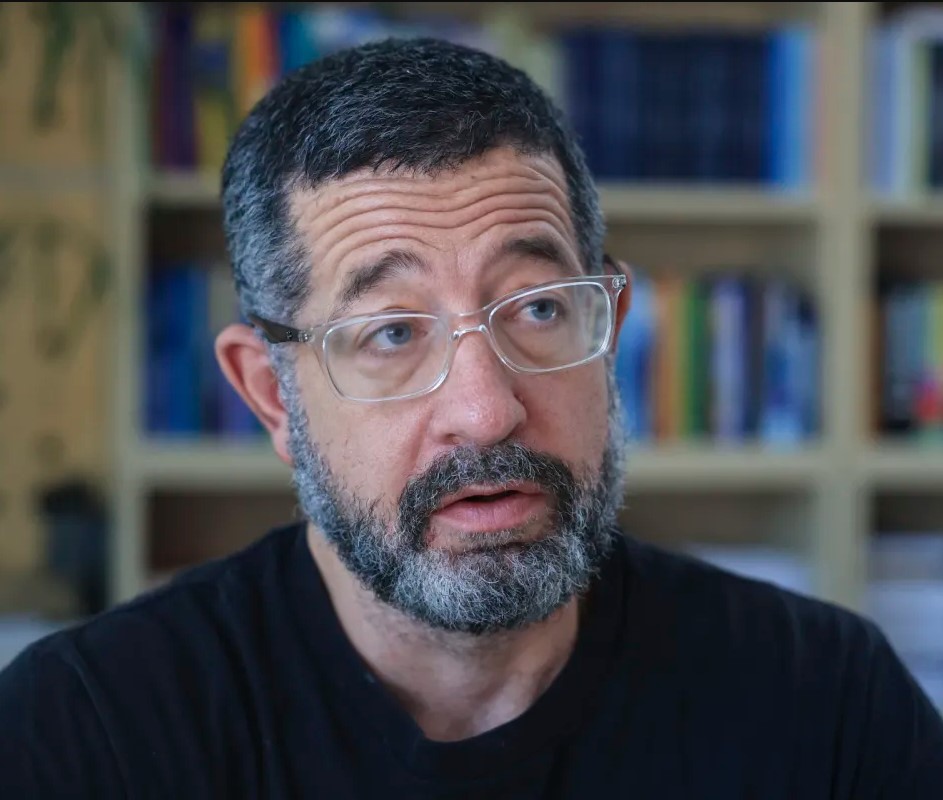
Max Ajl is a Senior Fellow in the Department of Conflict and Development Studies at Ghent University and a researcher with the Tunisian Observatory for Food Sovereignty and the Environment. His book A People’s Green New Deal offers a radical, Global South–centred alternative to mainstream green-transition agendas. He has also produced substantial analyses of political economy of Palestinian liberation in the aftermath of the “Great Flood,” discussing agrarian destruction, settler-colonial strategies and anti-systemic resistance in Arab–Iranian region.